
Operational solutions for complex Fragrances and Flavors natural ingredients supply chains
Natural ingredients supply chains for the Fragrances and Flavors industry operate in some of the most complex production environments in the world. Smallholder farming communities harvest jasmine in Egypt, rose in Turkey, patchouli in Indonesia, vanilla in Madagascar and dozens of other botanicals across remote rural regions. The human rights, livelihoods and environmental risks in these supply chains are well documented. So is the gap between corporate sustainability commitments and what happens at origin.
Regulatory pressure under the Corporate Sustainability Due Diligence Directive (CSDDD) and the EU Forced Labour Regulation, and sector-specific scrutiny from customers and investors, have made this gap untenable. But closing it requires a combination of strategic leadership and hands-on field expertise that rarely exists within the same team.
Okho Consulting brings direct, senior-level experience in Fragrances and Flavors natural ingredients supply chain sustainability and due diligence, combined with operational capability across all major producing regions.
We work across natural ingredient origins worldwide.
What we bring
Okho Consulting brings senior-level expertise in Fragrances and Flavors natural ingredients, built inside the industry. One of our partners led the global supply chain sustainability and due diligence department at Firmenich, then dsm-firmenich, for nearly four years, overseeing 60 supply chain assessments and 20 sustainability and remediation projects across all major producing regions.
That work built the group’s first HREDD framework aligned with CSDDD and EUDR requirements and drove its adoption across procurement and sustainability teams. It also earned election by peer fragrance houses to the steering committees of industry coalitions on child labour and living income in Turkey and Egypt, convened by the Fair Labor Association.
The natural ingredients supply chains we have worked in include:
Vanilla and pink pepper in Madagascar
Jasmine and orange blossom in Egypt
Jasmine and mint in India
Patchouli and cloves in Indonesia
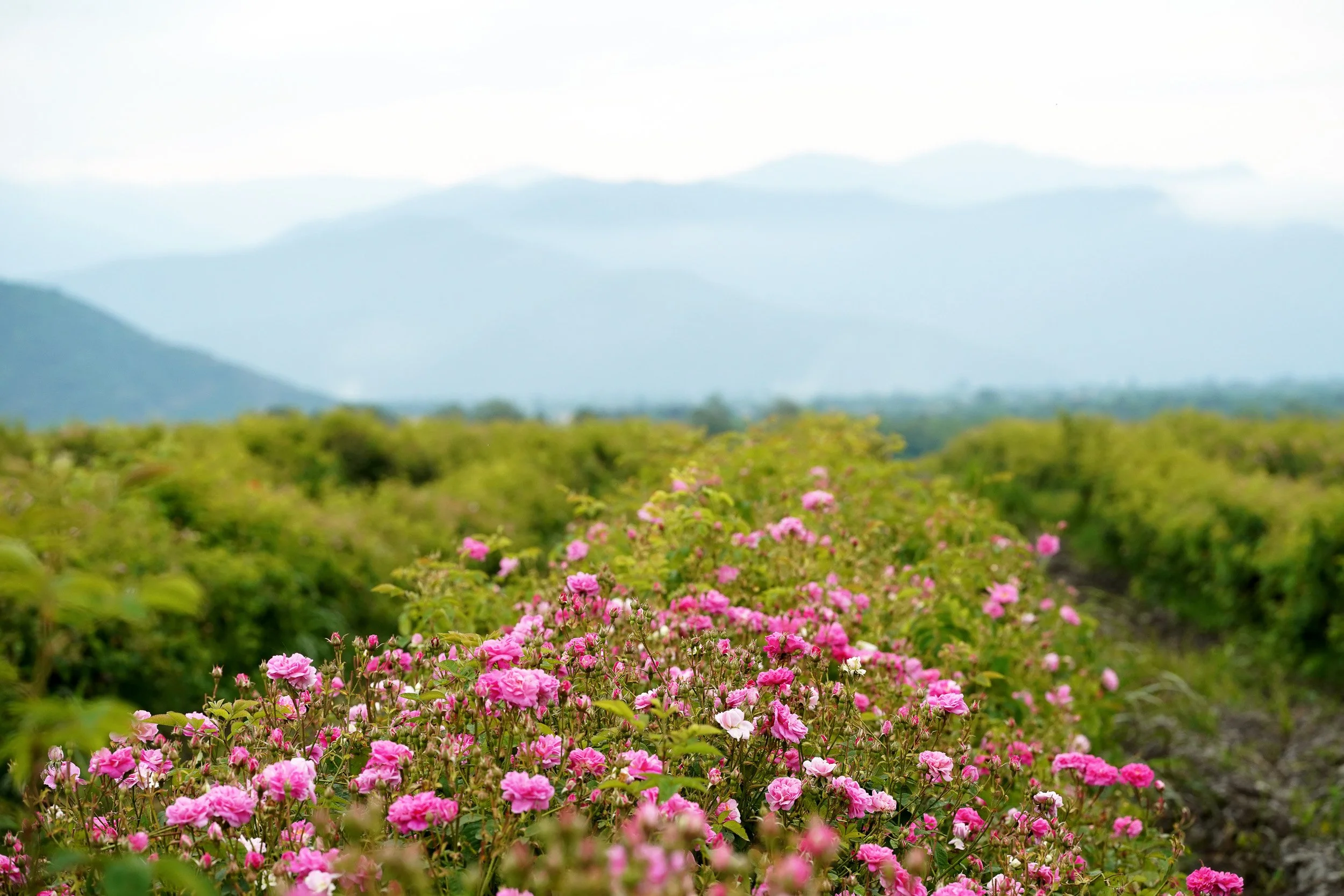
Rose in Turkey and Bulgaria
Osmanthus and stevia in China
Frankincense and myrrh in Somalia and Somaliland
Cardamom in Guatemala
Agarwood in Bangladesh
Our core team is based in Africa, within direct reach of major origins. When a program requires a local team, we build and manage it wherever we work. In Madagascar, Egypt, India and Indonesia, where our field relationships are strongest, we know who to work with before we arrive.
Assess
Identify where risks concentrate and set a clear path forward.
Services: Supply chain assessments and HREDD | Risk mapping and prioritisation | Due diligence frameworks and roadmaps
Operationalise
Design and implement solutions that deliver under real production constraints.
Services: Community livelihoods programs, including living income | Grievance mechanism | Remediation programs, including child labour and working conditions
Empower
Build the capability needed to sustain results beyond our engagement.
Services: Capacity building for corporate teams and local partners | Multi-supplier programs and reporting | Program monitoring and evaluation
Track record
Assess
60 supply chain assessments across 22 countries, from jasmine in Egypt and rose in Turkey to patchouli in Indonesia, benzoin in Laos, vanilla in Madagascar and frankincense in Somalia. Built the first HREDD framework at dsm-firmenich and oversaw all assessment quality worldwide across the full natural ingredients portfolio.
Operationalise
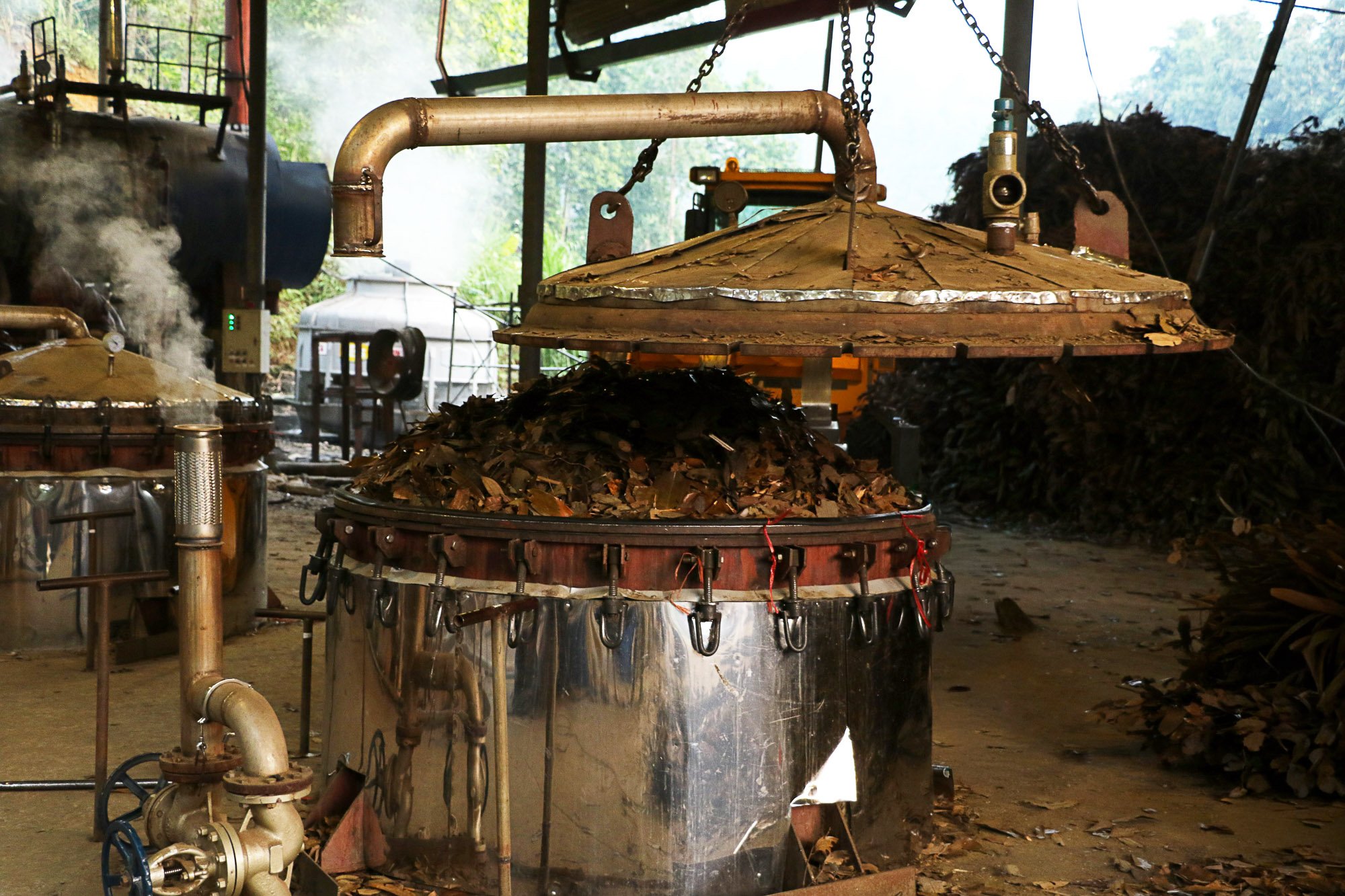
20 sustainability and remediation projects across Africa, Asia and Latin America. Programs have addressed child labour remediation in jasmine and rose supply chains in Egypt, Turkey and Bulgaria, regenerative agriculture in mint and patchouli, and living income and women’s empowerment initiatives across multiple origins. In India, the mint program built a regenerative farming model across a large smallholder base, combining agronomic training, women’s entrepreneurship, improved working conditions and field distillation efficiency.
Empower
Built and trained local teams in 8 producing countries. At dsm-firmenich, drove adoption of supply chain due diligence across procurement and sustainability teams. Elected by peer fragrance houses to coalition steering committees on child labour and living income in Turkey and Egypt.