
Operational solutions for communities in and around Africa’s protected areas
Conservation organisations managing protected areas in Africa understand what community livelihoods and human rights safeguards require, and frameworks and guidance have never been more available. The gap between commitment and impact is operational. It opens in two places that most organisations cannot cover with internal resources.
The first is community value chain development. Every protected area land-use plan includes a livelihoods component. Livelihoods become viable when value chains are structured, buyers are secured and production reaches the market, and that calls for supply chain expertise, market access and the operational capacity to build something that lasts.
The second is human rights due diligence. Safeguards depend on prevention as much as remediation: anticipating harms, hearing grievances and putting things right, work that demands independence, method and field practice. Community displacement, enforcement-related harms and FPIC failures are well documented across the sector, and donors and international standards (IUCN ESMS, IFC Performance Standards, FPIC requirements, UN Guiding Principles) increasingly require both operational frameworks and independent, field-based assessments.
Solutions only last when built within the specific cultural, economic and environmental reality of each protected area and its communities.
Okho Consulting helps conservation organisations turn livelihoods objectives and safeguard obligations into measurable impact in and around Africa’s protected areas, through operational solutions designed for each protected area and its communities.
We work across Africa, in Francophone and Anglophone contexts, where our core team is based.
Two complementary mandates
We support conservation organisations on two fronts that are distinct but reinforce each other. They can be engaged separately or combined.
Community value chain development and market access
We evaluate local production potential and market demand to identify viable value chains around protected areas. We structure the full supply chain from community harvesting and processing to commercial buyers. We strengthen production through technical assistance, promote complementary crops to diversify household income and establish traceability systems that meet buyer standards. Through our private sector network, we connect community production directly to buyers.
Human rights due diligence and field audit
We conduct independent, third-party assessments of compliance with IUCN ESMS, IFC Performance Standards (PS5 and PS7), FPIC requirements and UN Guiding Principles. Our assessments combine desktop review with extended field missions, direct engagement with affected communities and structured stakeholder interviews. We identify specific risks and harms, assess their severity and design the remediation frameworks and programs that address them.
Instead of livelihoods programs that depend on continued donor funding, we build supply chains that connect communities to commercial markets.
That is the difference between a project and an economic activity that sustains itself. The supply chain structuring, technical assistance and community capacity building behind this work draw on the same operational expertise we apply across all our engagements. Every recommendation is anchored in the specific socio-economic, cultural, religious and political context of each protected area and community. We do not apply templates.
Assess
Identify the livelihoods opportunities and risks of each protected area and set a clear path forward.
Services: Field assessments and HREDD | Risk mapping and prioritisation | Due diligence frameworks and roadmaps
Operationalise
Design and implement solutions within the specific context of each protected area and community.
Services: Community value chains and market access | Grievance mechanism | Remediation programs
Empower
Strengthen local teams, partners and communities to own and sustain the work.
Services: Capacity building | Cooperatives and producer organisations | Program monitoring and evaluation
Track record
Assess
60 supply chain assessments across 22 countries, from cocoa and shea in West Africa to vanilla in Madagascar and wild-harvested botanicals across East Africa and Southeast Asia. Built dsm-firmenich's first HREDD framework and oversaw all assessment quality worldwide.
Operationalise
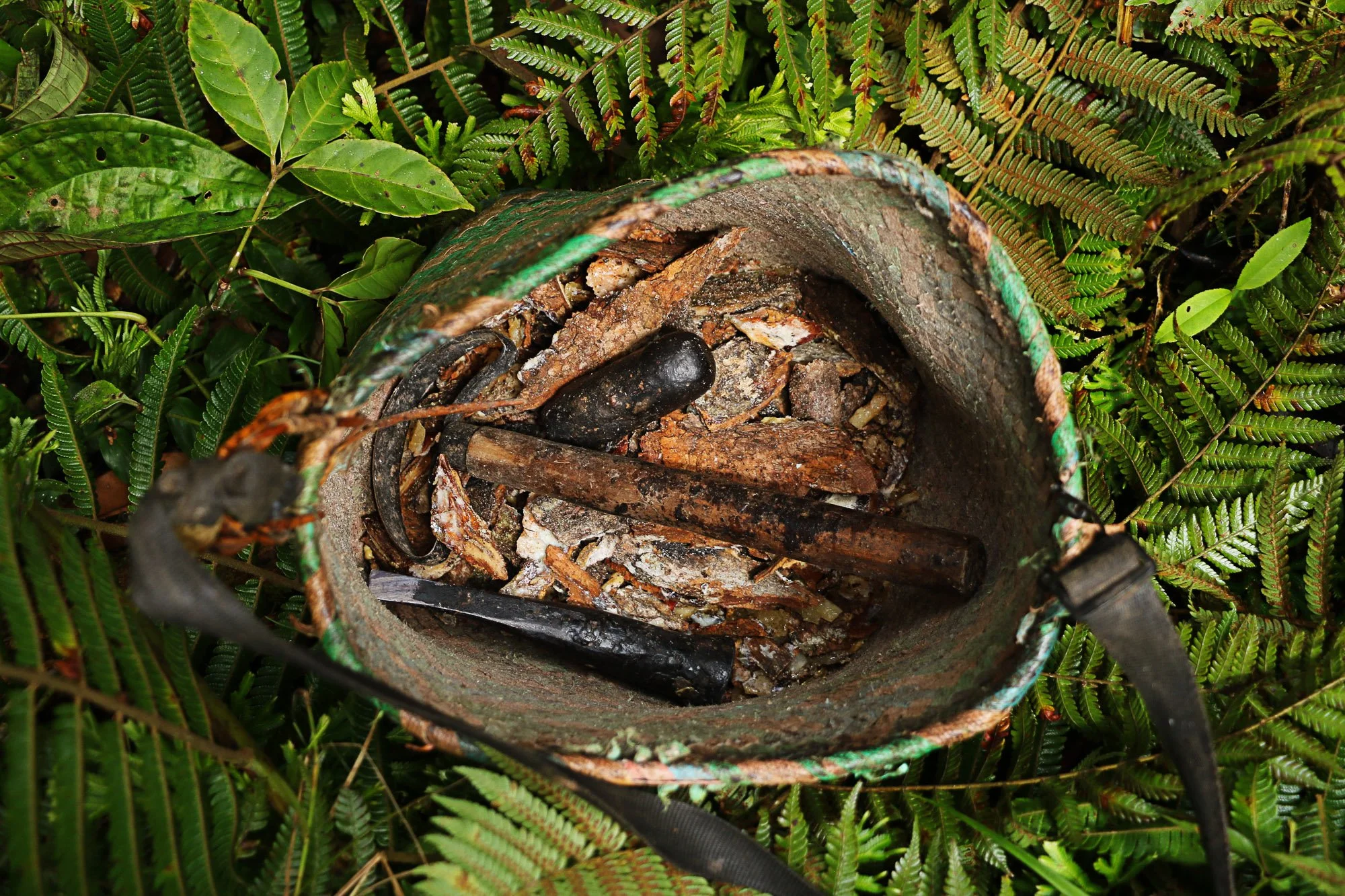
20 community livelihoods and remediation projects across Africa, Asia and Latin America. Programs have addressed child labour remediation frameworks and field programs in Egypt and Turkey, regenerative agriculture in Indonesia and Madagascar and wild-harvested supply chain development for resins in Southeast Asia. Direct experience connecting community production to commercial buyers through structured supply chains and traceability systems.
Empower
Built and trained local teams in 8 tropical countries. At ECOM Trading, managed a 45-person sustainability team delivering community programs at scale. At dsm-firmenich, drove adoption of supply chain due diligence through change management across a multinational organisation. We build capability designed to outlast our involvement, so that your teams and the communities they support stand on their own.
Our approach, applied
An illustrative example of how our approach applies to protected areas in Africa.
A conservation organisation managing a protected area in the Sahel is seeking to build viable livelihoods for communities in the buffer zone. Natural resources are limited and access to them must be managed: its land-use plan, developed with communities, government and economic partners, makes sustainable economic development a condition of long-term protection.
We evaluate local production potential, market demand and sustainability conditions, confirming gum arabic and shea as viable value chains, discarding options that are not both sustainable and commercially viable. Where the land-use plan is still being shaped, this mapping feeds it with concrete economic data. We structure the full supply chain, from community harvesting and processing to commercial buyers. We strengthen production through technical assistance, promote complementary crops to diversify household income and establish traceability that meets buyer standards. Through our private sector network, we connect community production directly to buyers.
We then build the governance and capacity for the value chain to live without external support: organising producers into cooperatives from the outset, training them in financial management and entrepreneurship and professionalising local operations until communities manage quality, logistics and buyer relationships on their own terms. The measure of success: products flowing and buyers returning, season after season, after our involvement ends.